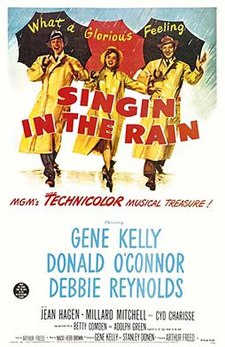
Singing in the Rain (1952) and Fantasia (1940)

Sound and Music in film can be used for multiple reasons in film. It can be used alongside cinematography, camera shots and lighting, to manipulate the audience to feel a certain emotion during a scene. It can also be used in a less manipulative way to help audiences understand a characters emotions, motives or personality.
In Musicals, like Singing in the Rain (1952), the main use of the music is to provide the audience with a bit of escapism, while also adhering to the reasons I previously mentioned. Musicals tend to do this by having big flashy musical numbers with characters bursting out into a perfectly choreographed song and dance sequence.
Although this genre of film is nowhere near my favourite genre I can still sit and enjoy them when they’re shown. Singing in the Rain (1952) is an example of this, I enjoyed a few of the sequences of song and dance in this film, they are very well performed and choreographed musical numbers and you can tell a lot of work had gone into them. In film music is often used to help convey characters emotions and motives, however this is extremely prominent in Musicals. ‘You were meant for me’, performed by Gene Kelly and Debbie Reynolds, is a good example of this convention of music in film. It is used in place of the characters talking about their feelings towards each other directly and instead the lyrics of the song help the characters say how they really feel, the lyrics speak on behalf of the characters. While I didn’t particularly enjoy this song, it still helped to show how the characters felt about each other well.
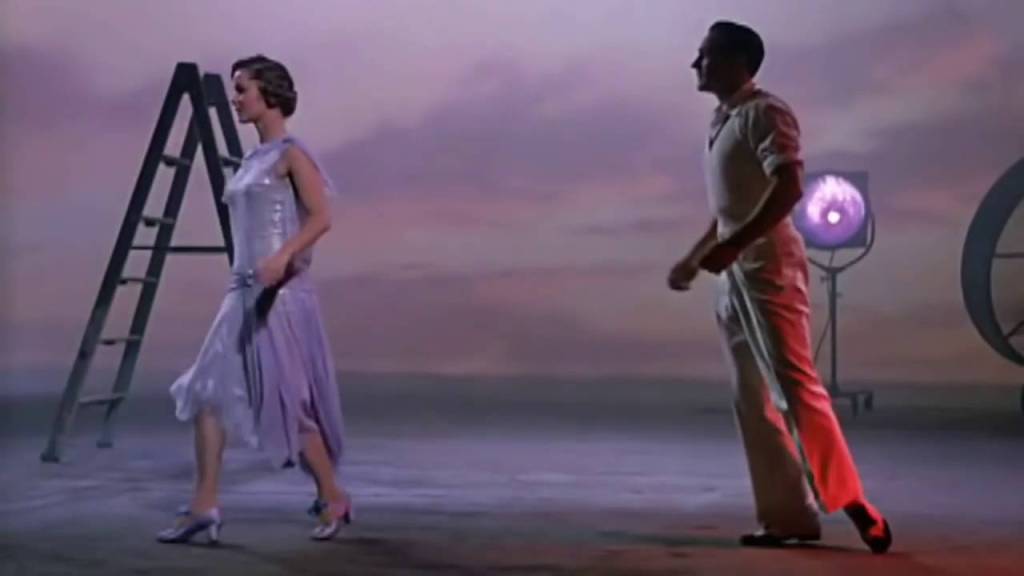
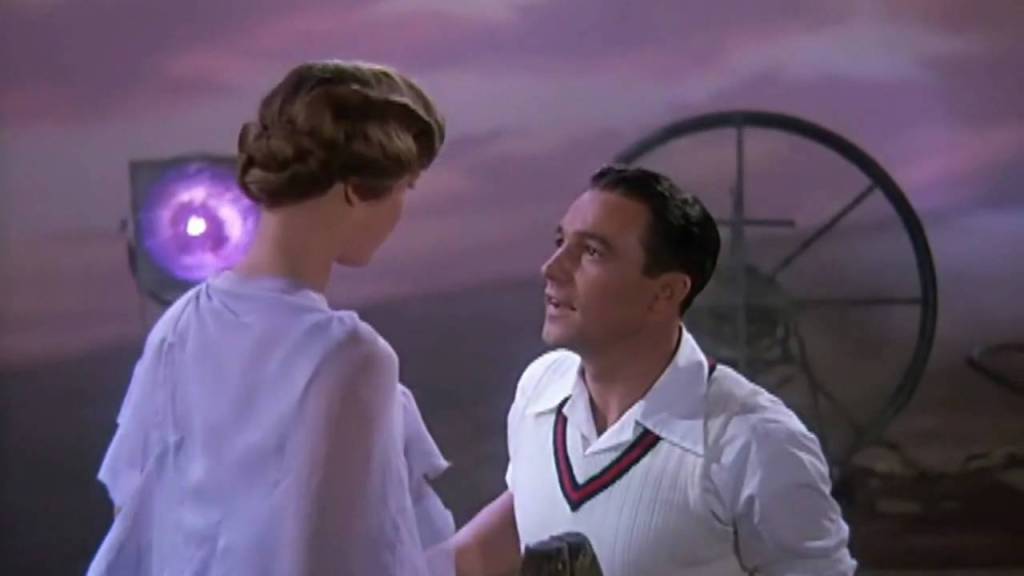
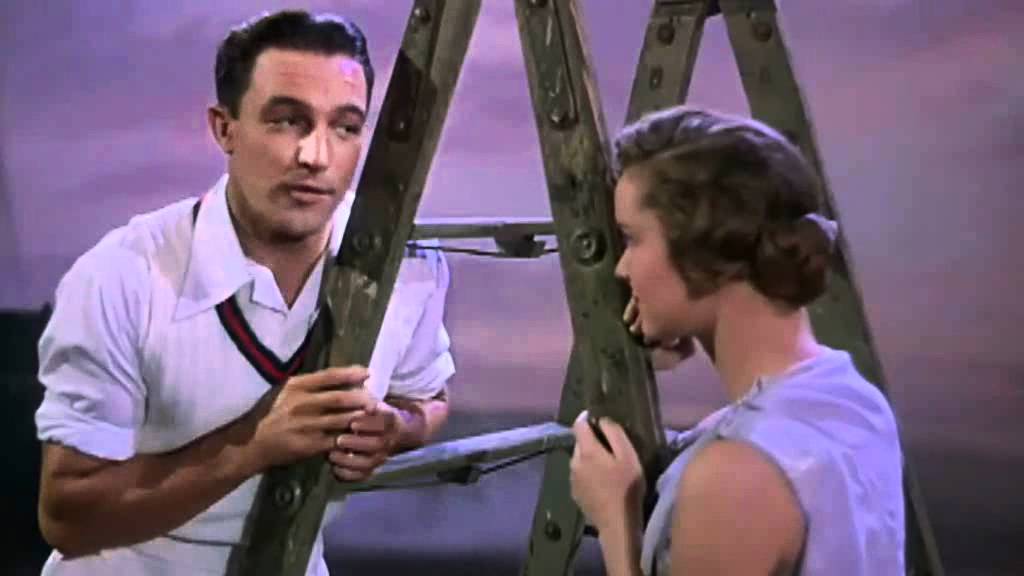
Screen grabs from ‘You were meant for me’ (Gene Kelly & Debbie Reynolds)
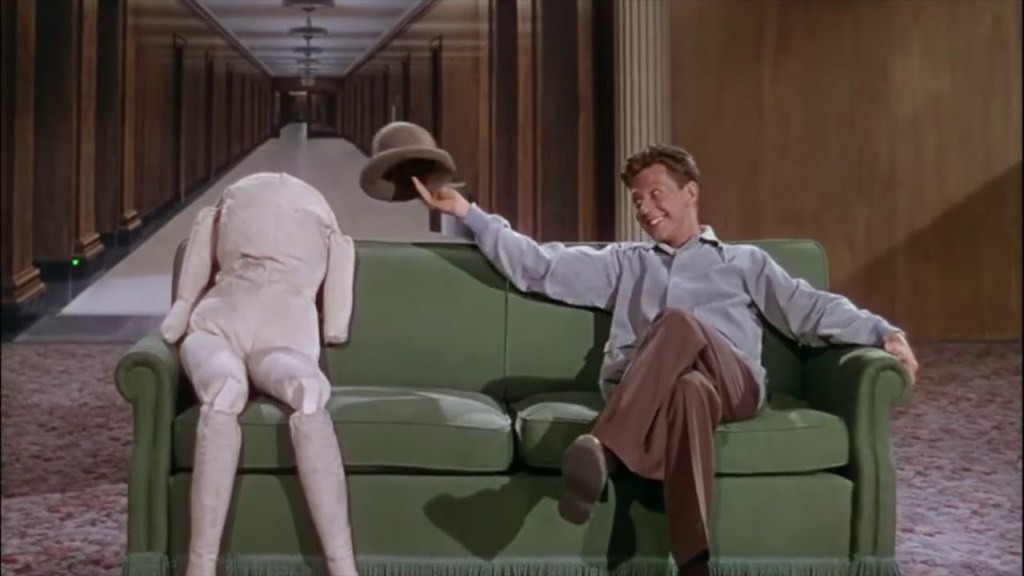
Bringing it back to the escapism aspect of the musical genre, ‘Make ‘Em Laugh’ is a great example of a song and dance routine that allows the audience to be mesmerised and amazed by the goofy character played by Donald O’Connor. While I feel like this song was mostly just filler, it still provided myself with a few laughs, which as you can tell from the title of the song, was it’s intentions.
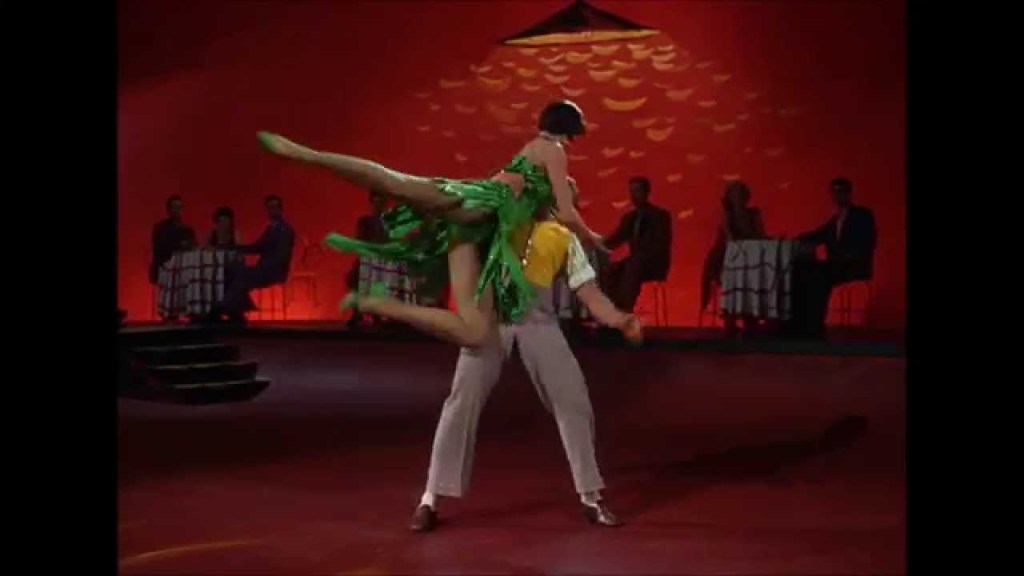
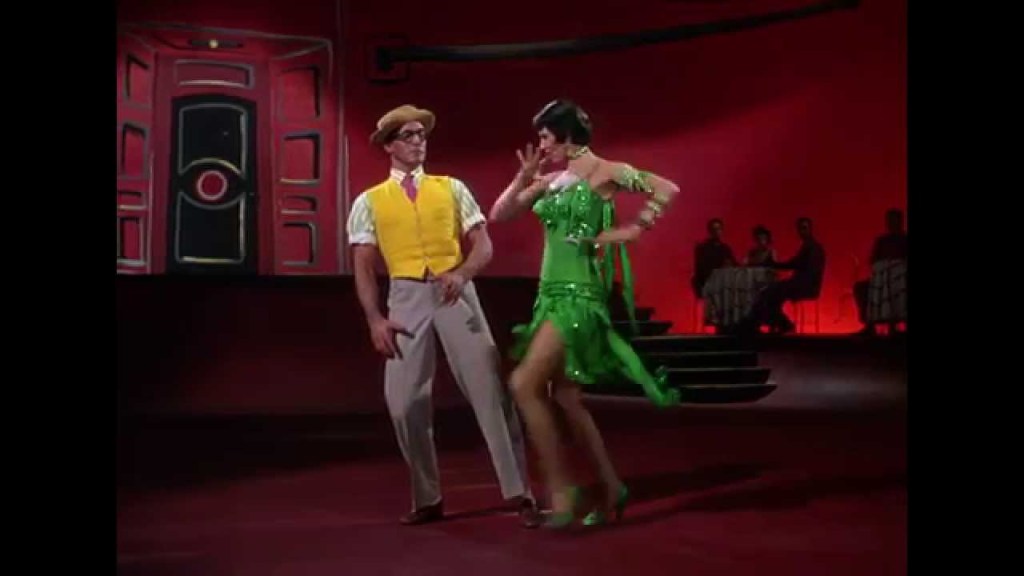
Screen grabs from ‘The Broadway Melody’ (Gene Kelly)
Another good example of musical numbers used in this film to provide audiences with a sense of escapism is the piece ‘The Broadway Melody’. This musical number is a dreamlike sequence which is towards the end of the film when Gene Kelly’s character is describing the ending to his film. With it being a dreamlike sequence this allows for a huge dance routine with multiple involved, completely taking away from the story and just throwing the audience into a much more theatrical piece rather than cinema. I don’t necessarily believe this to be a bad thing however, as the film was made in 1952, theatre still had a massive audience and attracted many people.
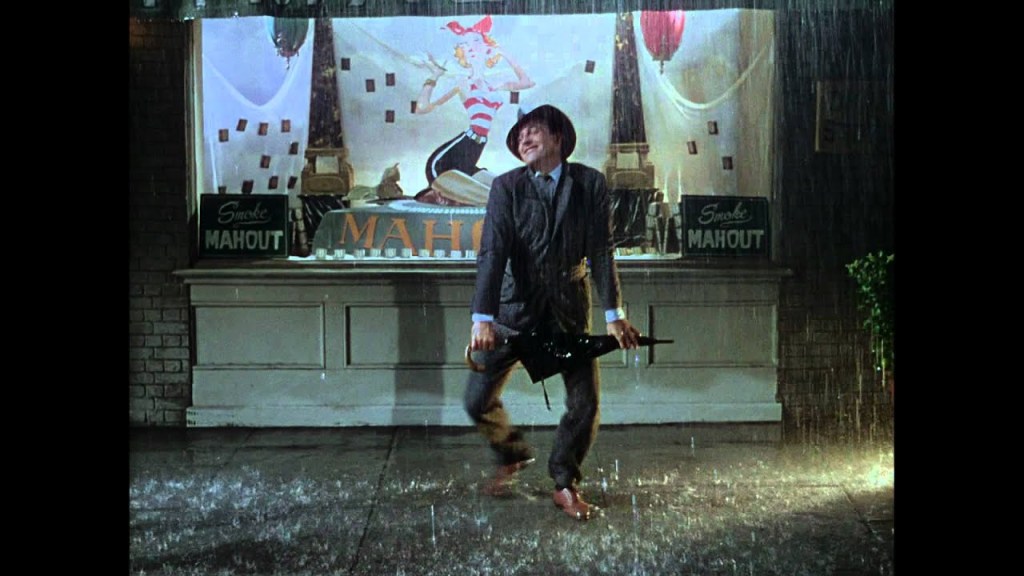
As the film was made in the 50s, you can guess the music is very reminiscent of 50s era music, while this wouldn’t be my personal choice of music to listen too, it fits in very well in the film. The music used throughout the film all seems to fit to a theme, no song or musical piece feels out of place. The standout and most recognisable song is ‘Singing in the Rain’ this is a happy and rather upbeat song and is sung by Gene Kelly, this song really fits with how the character is feeling at the time and it comes shortly after the song ‘You were meant for me’. This is probably the song I enjoyed the most as it was recognisable and enjoyable to watch.
While Music and Sound in film can be used to convey emotions and manipulate audiences, it can also be used for the storytelling aspect of film, this is really prominent in early pre-sound cinema, the music would help to propel the story without the characters having to sing or say anything to add to it.
Fantasia (1940), although this was made post sound film, still chose to include no dialogue. I find this a genuinely fascinating piece of cinema. The film offers multiple short animated films, but the concept of these short films is that the music was recorded first and the animators had free rein to animate their own interpretations of what they think the music would look like.
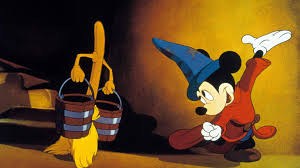
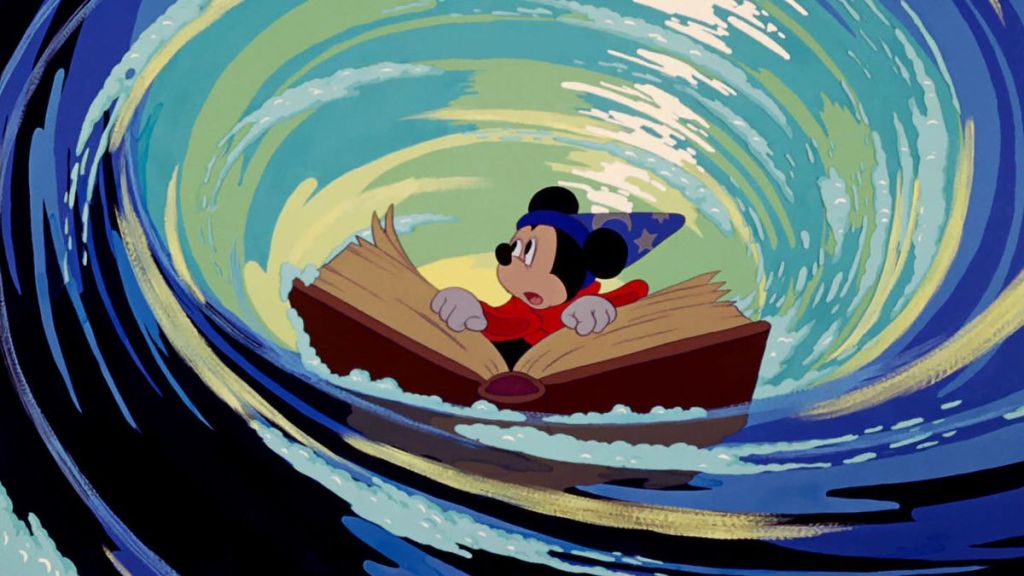
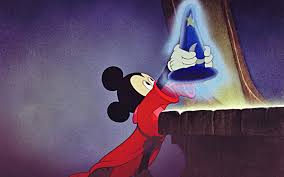
One sequence I really liked was the famous Mickey Mouse short. While the other short films were created to match the music, this sequence was animated first. This creates a unique feeling of wonder and helps the magic in the scene to feel alive as all the music is synchronised with the animation meaning there is no need for added sound effects as the music takes its place. This film uses music in a rather classical way and I think it is all the better for it, the music used helps to propel the narrative and creates really interesting sequences.
 Taylor's Film & Cinema Blog