And other films
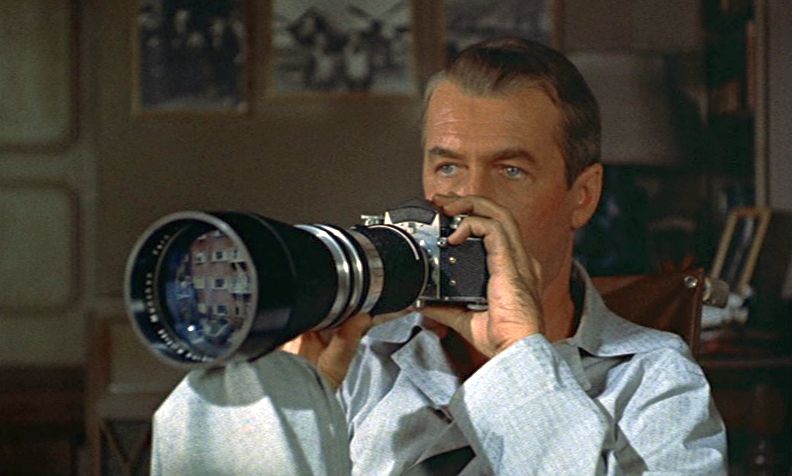
The P.O.V shot, or point of view shot, is used when the director wants the audience to believe they are seeing exactly what the character on screen is seeing. In Alfred Hitchcock’s Rear Window from 1954, he utilises this shot many times throughout the duration of the film.
The premise of Rear Window, for those who have not seen it, is our main character, a photographer, has broken his leg and has been stuck in a wheelchair in his apartment as a result of this. Out of his boredom for being confined to his small apartment he has turned to watching his neighbours from his window for entertainment. I think in the context of this film the use of P.O.V shots work excellently as it makes, us, the audience feel like we are trapped in his small apartment alongside him, especially as we only ever see the outside world through his window much like himself for the duration of the film.
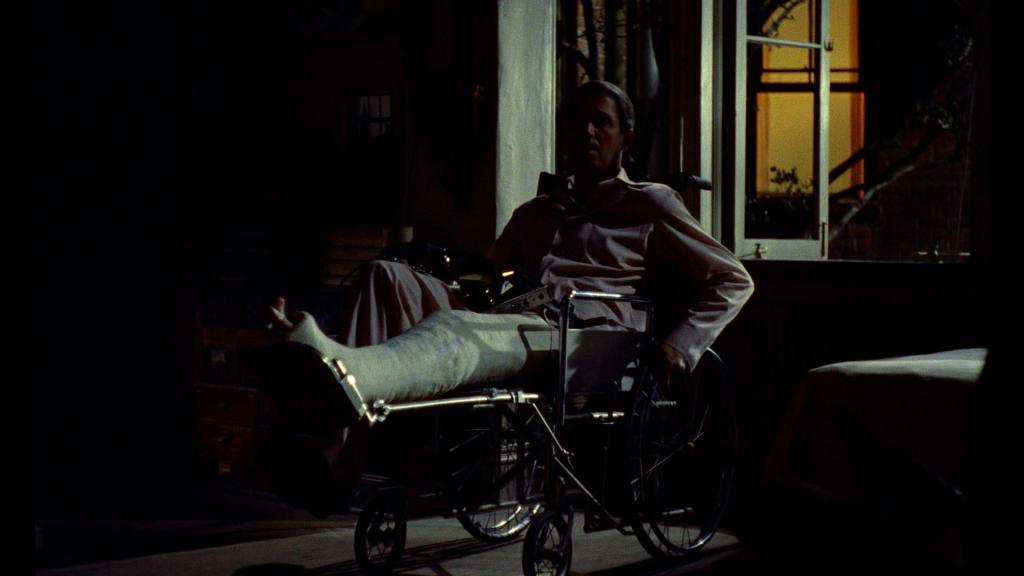
One scene in particular I wanted to talk about happens around the end of the first act of the film. In this scene the main character is sat in his rear window, late at night. He notices a man an apartment opposite seems to be coming and going a lot for the time of the night. This scene lasts around 10 minutes and for the whole scene there is no dialogue at all, as he is alone in his apartment, so the lack of dialogue means the camera has to do the work in place of the script and give us an idea of what the character may be thinking as he is watching this guy, this is done with the reaction shot. We can see the confused look on his face as he watches a guy leaves his apartment late at night for the third time and as we also have no idea what he is up too.
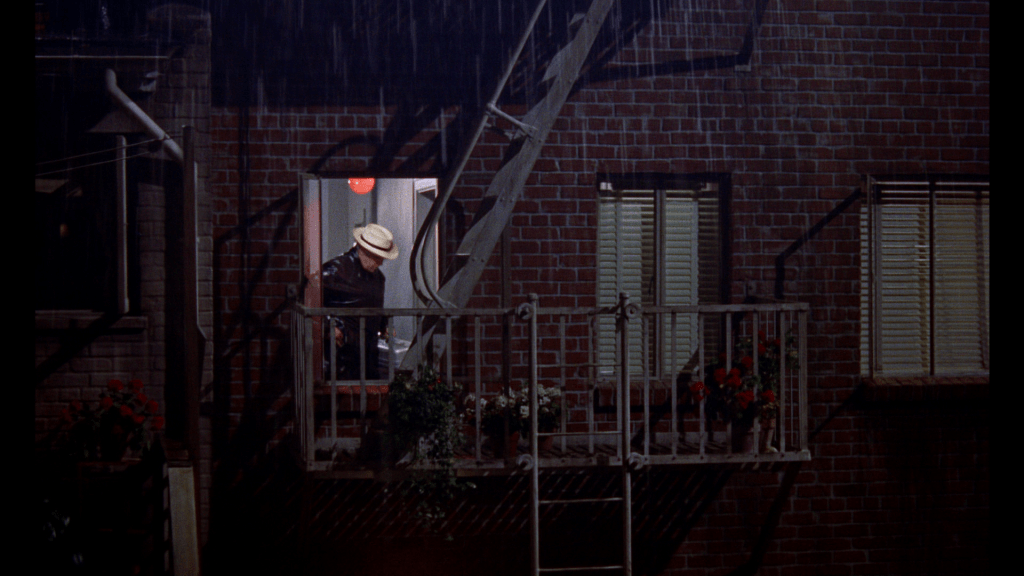
Throughout the scene, the camera pans and tracks to give the sense that we are looking through the eyes of the main character and can only see exactly what he sees, this leaves us with a similar sense of uncertainty and unanswered questions as the main character, why was the guy going and coming to and from his apartment? Where was he going? What was he doing? Much like the audience the main character can only theorise what may have happened. Only as the story progresses and we see more and more of this character do we, alongside, the main character start to slowly piece together information of what happened. I think in terms of the story and film that the use of the P.O.V shots in this film works great and is a massive asset to the film, the cuts between the shots feels natural and it is a rather unique way of telling a story.
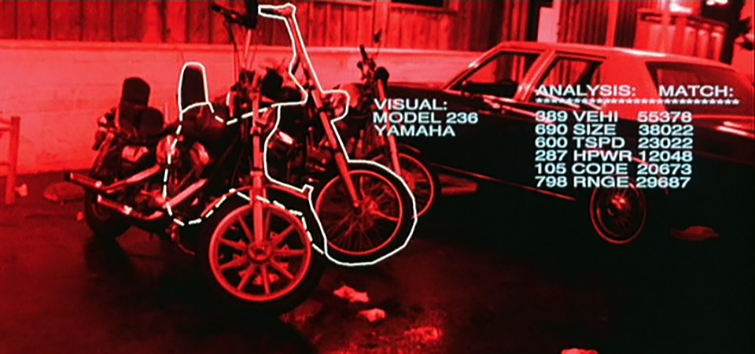
As Jean-Luc Godard said the P.O.V shot is “the most natural cut in cinema” as it gives us a view of how we see the world day to day, however there have been instances where the P.O.V shot has been used to give us a more fascinating point of view than just a regular person’s view. For example in Terminator 2 in the scene where the T-800 walks into the bar, we get a scene from his point of view where we see digitised eye-sight, the use of this shot in Terminator, is to remind us that the character we are watching is not human, which explains his lack of humanity and robotic nature really well, rather than us just being given exposition about it.
However, my favourite use of the P.O.V shot is in from the opening scene of Halloween from 1978. The scene opens from the point of view of an unknown character walking towards a house and peering inside to some teenagers. The scene then follows the character as the walks into the house, grabs a knife from the kitchen and kills a girl upstairs, the whole time this is filmed as a P.O.V shot, so, us, the audience has no clue who this person is or what they look like, but the girl killed recognised them and called out their name. During this scene the character puts on a mask while walking around the house and once the mask is taken off is when the killer is revealed to us, as a young child. The use of the P.O.V shot in this creates a sense of terror, as we actually have to watch the murder happen ourselves, then when the scene ends and it was a small boy who was the one behind it, it makes the scene even more terrifying as a result.
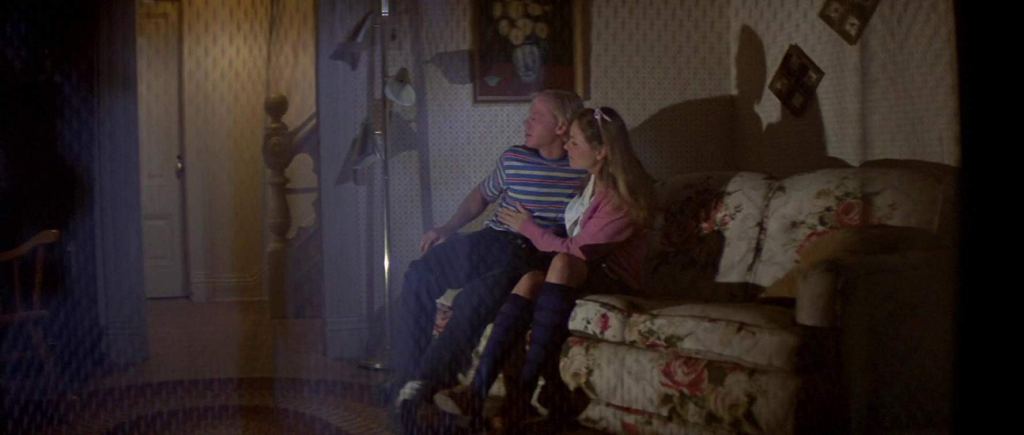
The P.O.V shot works great in a variety of different genres and can be a rather versatile shot, giving alternate ways of storytelling, much like it’s use in Rear Window.
 Taylor's Film & Cinema Blog